
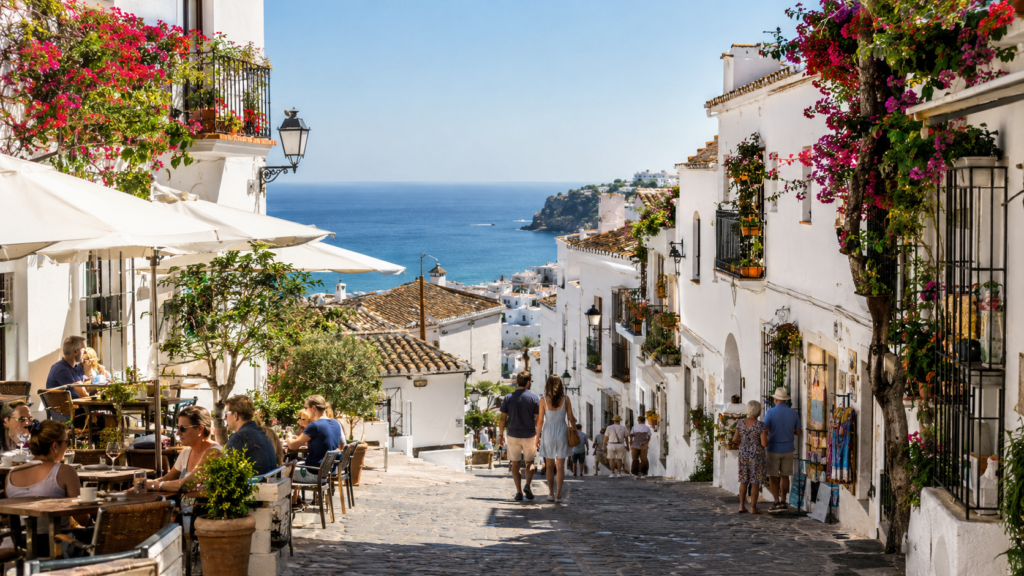
Every year, thousands of people from the UK, the United States and across Europe trade grey skies and long commutes for the Spanish sun. Some come to retire, some to work remotely, and some to raise their children in a slower, more outdoor way of life. Almost all of them share the same questions: What is daily life really like? How much does it cost? And where should we actually live?
At Search and Survey Spain, we have spent many years helping international buyers find and buy homes across the country. We have seen what makes a move a success and what turns a dream into a costly mistake. This guide gives you the honest picture: the lifestyle, the paperwork, the real costs and the regions that suit different ways of living.
What the Spanish Lifestyle Is Really Like
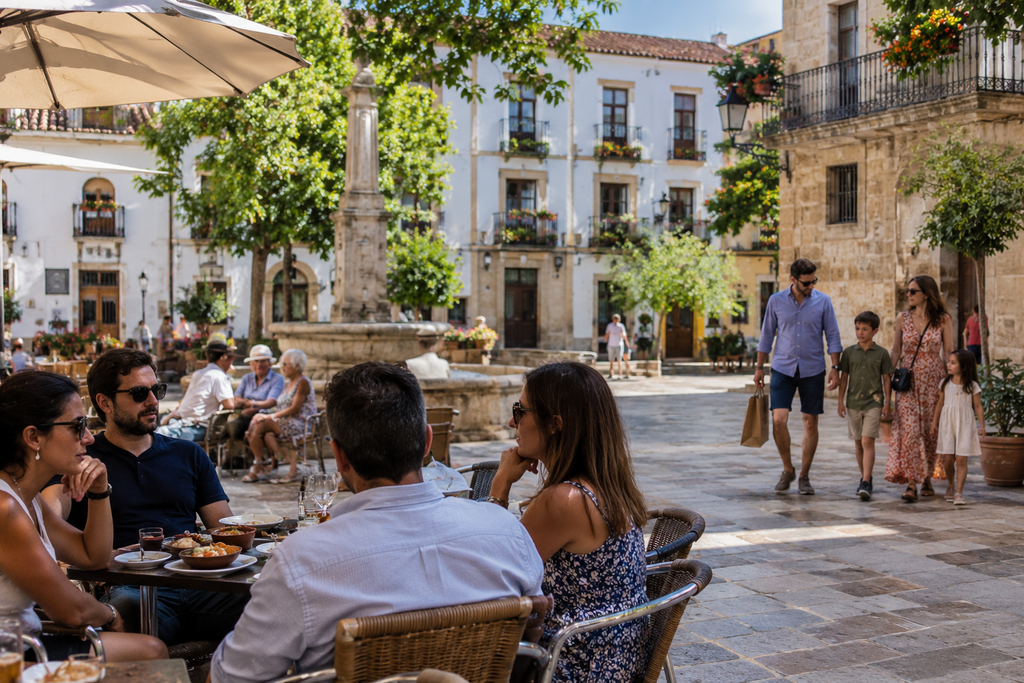
Life Runs on a Later Clock
The first thing newcomers notice is the timetable. Lunch is the main meal of the day and is usually eaten between 2 and 4 pm. Dinner often starts at 9 pm or later, and in summer, towns come alive well after sunset. Many smaller shops still close for a few hours in the afternoon, especially outside the big cities and tourist areas and reopen from 17.00 to 20.00.
Fighting the clock is a losing battle. Most people who settle happily in Spain adjust within a few months and come to enjoy long lunches and evening walks, the paseo. We explore this in more depth in our article on the Spanish way of life.
Outdoor Living, All Year Round
With more than 300 days of sunshine a year in parts of the south and east, life in Spain happens outside. Terraces, beaches, plazas, mountain trails and some of Europe’s best golf courses replace the sofa. Check regional climates before you choose an area using Spain’s national weather agency, AEMET. Winters in inland Madrid or Granada are far colder than on the Mediterranean Costas.
Community and Family Come First
Spanish culture is warm, social and family-centred. Neighbours greet each other, children play in the plaza late into the evening and local fiestas bring entire towns together. Learning even basic Spanish makes a big difference. It opens doors with neighbours, local businesses and the town hall, and in our experience it is the single best predictor of a happy long-term move.
Food, Markets and the Mediterranean Diet
Fresh produce, fish and olive oil are part of everyday life, not luxuries. Weekly markets, local bars serving tapas and a strong café culture make eating out well both easy and affordable.
The Cost of Living in Spain
For many people, the cost of living in Spain is one of the biggest attractions, but it varies widely by region.
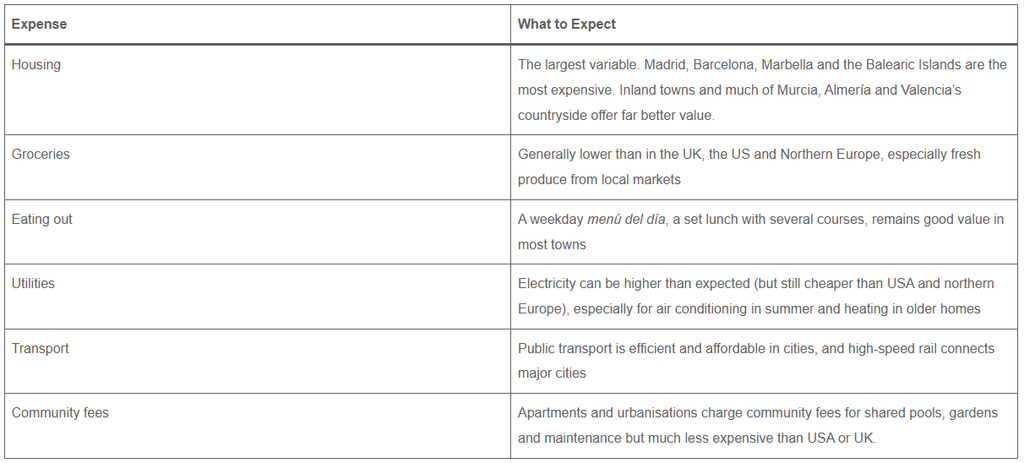
Our advice: spend time in an area in more than one season before you buy. A coastal resort town that is lively in August can feel very different in February.
Visas, Residency and Paperwork
Citizens of the UK and the United States are treated as non-EU nationals. Without residency, they can stay in Spain for up to 90 days in any 180-day period. British citizens should start with the UK government’s Living in Spain guide and our article on buying property in Spain after Brexit. American readers will find a step-by-step overview in why Americans are moving to Spain and how to do it. The Spanish Ministry of Foreign Affairs publishes the official visa requirements.
The most common routes for long-term living in Spain include:
- Non-lucrative visa: for retirees and people with sufficient passive income or savings who will not work in Spain
- Digital nomad visa: for remote workers employed by, or freelancing for, companies outside Spain
- Work and family visas: for people with a Spanish job offer or family ties
Note: Spain closed its golden visa (residency through property investment) to new applicants in 2025. Buying property no longer grants residency on its own. Our guide to the 2026 legal and regulatory must-knows covers the latest changes.
Whatever your route, you will need these documents:
- NIE (Número de Identidad de Extranjero): your foreigner’s identification number, required to buy property, open a bank account or sign utility contracts
- A Spanish bank account: needed for utility bills, local taxes and most property purchases. Read our guide to opening a bank account for buying in Spain.
- Empadronamiento (padrón): registration with your local town hall, which gives access to local services
- Tax residency: if you spend more than 183 days a year in Spain, you are generally considered a tax resident. You can find information from the Agencia Tributaria, but always take advice from a qualified tax adviser.
Healthcare in Spain
Spain’s public healthcare system is widely respected. Residents who work and pay into the system through Seguridad Social are covered, and UK state pensioners may qualify through the S1 scheme. Many visa applications require private health insurance, and many expats keep a private policy for shorter waiting times and English-speaking doctors.
The Best Places to Live in Spain
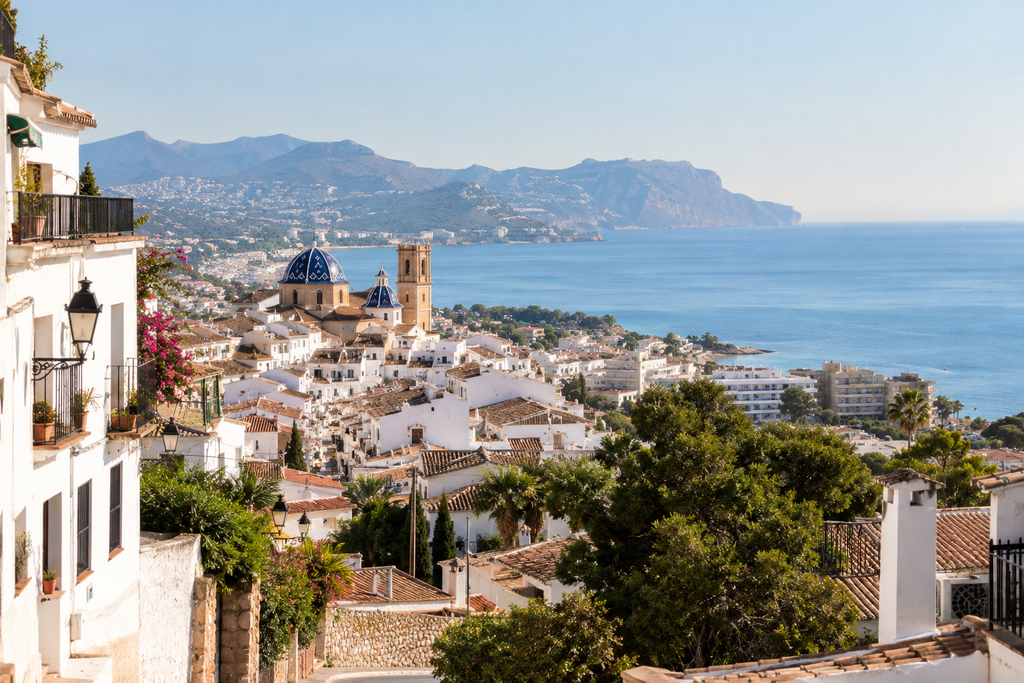
There is no single “best” place to live in Spain. There is only the best place for your lifestyle and budget. These are the regions our clients ask about most often. For a deeper comparison, read which Spanish costa you should buy on.
Costa del Sol (Málaga, Marbella, Estepona, Mijas)
The most popular destination for international buyers, with year-round sunshine, Málaga airport, international schools, golf, and a large English-speaking community. Málaga city has become a thriving tech and cultural hub, while Marbella and the “Golden Mile” command premium prices. Our Costa del Sol property advisors cover the whole coast, with dedicated teams for Málaga and Marbella.
Costa Blanca (Alicante, Jávea, Altea, Torrevieja)
Excellent value, a mild climate and strong expat communities. The north, around Jávea and Altea, is greener and more upmarket, while the south around Torrevieja offers more affordable apartments and villas. Talk to our Costa Blanca property advisors, or compare both coasts in Costa Blanca vs Costa del Sol.
Valencia
A complete city at a lower cost than Madrid or Barcelona, with beaches, the vast Turia park, excellent food and a growing international population. It is frequently ranked among the best cities in the world for expats. Our Valencia property advisors know every neighbourhood.
Murcia and the Costa Cálida
Some of the best-value property on the Mediterranean, warm winters and a quieter pace of life. It is popular with retirees and golfers. See our Murcia property advisors.
Mallorca and the Balearic Islands
Stunning scenery and an island lifestyle, but among the highest property prices in Spain. It is best suited to buyers with larger budgets.
The Canary Islands
Spring-like weather all year, which makes them a favourite for winter sun and remote workers. Island life suits some people perfectly and feels isolated to others.
Madrid and Barcelona
Cosmopolitan, career-focused cities with world-class culture and connections. They are ideal for families and professionals, but they carry the highest living and property costs in mainland Spain. We have dedicated Madrid and Barcelona property advisors.
Looking for somewhere quieter? Discover our favourite hidden gems in Spain, or explore every region on Spain’s official tourism site, Spain.info.
Buying a Home in Spain: Avoid the Costly Mistakes

For most people, living in Spain means buying property, and this is where the biggest mistakes happen. After guiding hundreds of buyers through the process, these are the issues we see catch people out most often.
- Not budgeting for purchase costs. Taxes, notary, land registry and legal fees typically add 10–14% to the price, and the transfer tax rate varies by region. Our guide to Spanish property purchase costs and property tax explained break down every figure.
- Skipping a building survey. Spain does not require a survey to buy, so many buyers never get one. Damp, structural cracks, roof problems and poor-quality renovations are common, especially in older properties. Learn why a professional property inspection survey is essential.
- Not checking legal status. Illegal extensions, unregistered pools and properties built on rustic land without the correct licences can lead to fines and unpaid taxes that pass to the new owner.
- Relying on the seller’s agent. In Spain, the estate agent works for the seller. An independent buyer’s representative works only for you.
- Rushing the decision, or falling for a scam. Viewing trips are short and decisions are big. Learn how to avoid property scams in Spain before you transfer any deposit.
How Search and Survey Spain Helps
Search and Survey Spain is an independent buyer’s agent. We don’t mind what you buy, who from or where. What matters to us is that it is right for you. Our services cover every step, from search to keys in hand and beyond:
- Location and property search: we help you choose the right area and shortlist homes that match your lifestyle and budget, including off-market properties
- Paperwork: NIE, bank account, mortgage and power of attorney
- Appraisal and negotiation: we evaluate the property and guide you on the right offer
- Legal checks and home inspection: a full survey of the property’s structure and systems, plus planning and title checks
- Notary completion and aftercare: registration, utilities and taxes set up in your name
Meet our team or read what our clients say about working with us.
Frequently Asked Questions About Living in Spain
Can I live in Spain after Brexit?
Yes. UK and USA citizens can live in Spain long-term by applying for a residence visa, such as the non-lucrative visa or the digital nomad visa. Without one, they can stay for up to 90 days in any 180-day period.
Is it cheaper to live in Spain than in the UK or the US?
Yes, much cheaper. Groceries, eating out and public transport are generally cheaper, although housing costs in Madrid, Barcelona, Marbella and the Balearic Islands can be high.
What is the best place to live in Spain for expats?
It depends on your priorities. The Costa del Sol and Costa Blanca are the most popular for their climate and English-speaking communities. Valencia offers city life at a lower cost, and Murcia offers some of the best value on the coast.
Does buying a property in Spain give me residency?
No. Spain closed its golden visa to new applicants in 2025, so buying property no longer grants residency on its own. You need to qualify for a visa separately.
How much does it cost to buy a house in Spain?
On top of the purchase price, budget around 10–14% for taxes, notary, land registry and legal fees. The exact figure depends on the region and whether the property is new or resale.
Do I need a survey to buy property in Spain?
A survey is not legally required, but it is strongly recommended. A professional inspection can reveal structural problems, damp and illegal works before you commit to the purchase.
Is Living in Spain Right for You?
Living in Spain offers an outstanding quality of life: sunshine, healthy food, strong communities and a pace that puts people before the clock. It also takes paperwork, patience and careful planning, especially when you buy a home.
The people who thrive are the ones who do their homework, take time to explore different regions and get independent professional advice before they sign anything.
Ready to find your home in Spain? Contact Search and Survey Spain to talk about your plans. Our independent advisers will guide you from the first search to the day you get your keys.
Need Help? 🙂

Hi, this is Ian Mason.
If you have any questions, please feel free to contact us by clicking HERE and I’ll get back to you shortly. Thank you!
Get in touch ?