
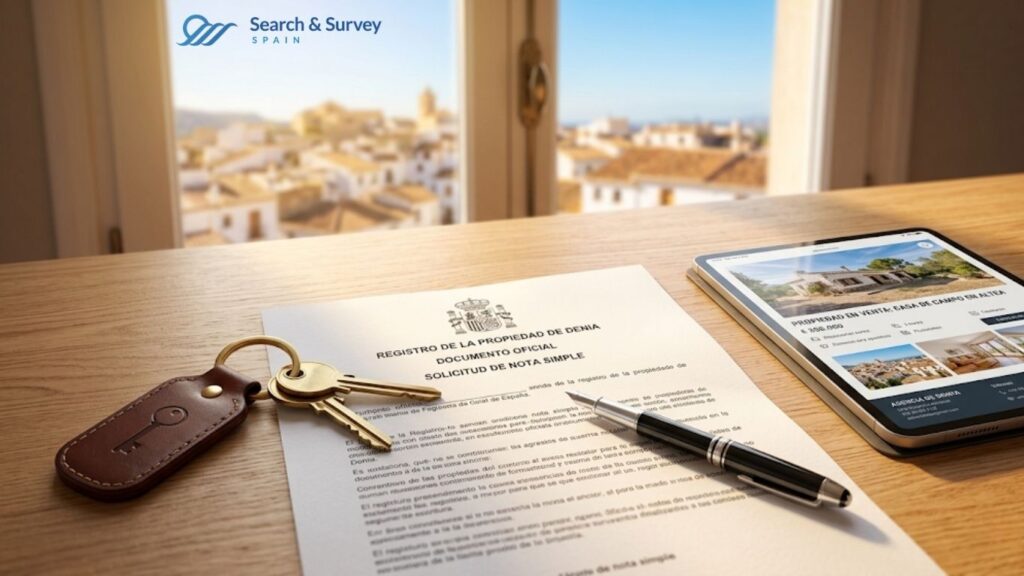
When you begin the journey of Buying Property in Spain, the excitement of finding a sun-drenched villa or a sleek city apartment can often overshadow the complex legal landscape that lies beneath. Unlike other markets, the Spanish system is not buyer-focused by default, and navigating it requires local expertise to ensure your investment is secure.
The role of independent Spain Property Advisors is critical because traditional estate agents are paid by the seller and represent their interests, not yours. To help you move forward with confidence, here is a breakdown of the essential legal and regulatory “must-knows.”
Getting Your NIE Number
The first administrative hurdle for any international buyer is obtaining the Número de Identidad de Extranjero (NIE). This is your unique foreigner identification and tax number, and it is mandatory for almost every transaction in Spain.
You cannot sign the deeds of a property, open a bank account, or even set up utility contracts without it. While you can apply for this at a Spanish Consulate in your home country or a police station in Spain, the process often involves long wait times and complex paperwork. At Search and Survey Spain we streamline this by handling the application as part of our comprehensive service, ensuring you are ready to move when the right property appears.
How to Avoid Real Estate Scams When Buying in Spain

Real estate scams often target buyers who are unfamiliar with local regulations. Common pitfalls include properties with hidden debts, “illegal” builds that lack proper planning permission, or agents who pressure you into quick deposits without performing due diligence.
Search and Survey Spain highlights that most problems occur because costs aren’t explained upfront or buyers rely on the selling agent for legal advice. To protect yourself, you must ensure that:
- The Lawyer is Independent: To avoid any conflict of interests never use a lawyer recommended by the seller or the selling agent.
- A Full Property Inspection is Conducted: Identifying structural issues or illegal extensions before you sign at the notary can save you thousands.
- Debt Checks are Performed: In Spain, debts like community fees and local taxes stay with the property, not the previous owner.
Using a professional property adviser ensures that every document is vetted and every structural detail is inspected before you close.
https://www.youtube.com/shorts/Ys77uwgqyAQ
Navigating Property Tax in 2026: ITP and VAT
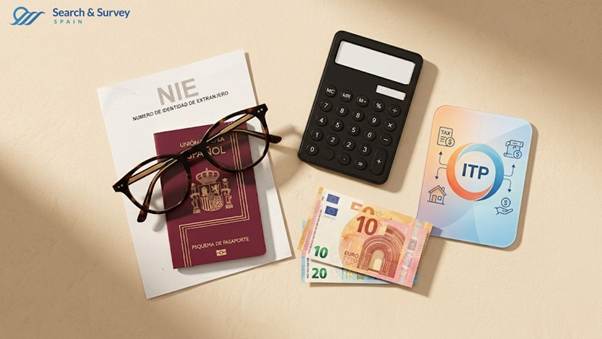
Budgeting for a purchase goes beyond the “sticker price.” Generally, you should budget between 10% and 15% above the purchase price to cover taxes and fees. In 2026, the specific tax you pay depends on whether the property is a new build or a resale.
Resale Properties (ITP)
When you purchase a resale home, you pay the Impuesto sobre Transmisiones Patrimoniales (ITP). This tax varies significantly by region. For example, while Andalusia may charge 7%, Madrid 6% regions like Valencia and Catalonia often charge up to 10%.
New Build Properties (VAT/IVA)
For new constructions, you will pay Value Added Tax (VAT), known in Spain as IVA, which is currently set at 10% nationally for property purchases. Additionally, you must account for Stamp Duty (AJD), which typically ranges from 0.5% to 1.5%.
Understanding these regional differences is vital for accurate financial planning. At Search and Survey Spain we will provide a clear breakdown of these costs specific to the region where you are buying.
Understanding Urban Planning Restrictions: Rustic vs. Urban Land
Buying rural or “rustic” land in Spain requires extreme caution. Spanish law differentiates strictly between Suelo Urbano (urban land) and Suelo Rústico (rural/agricultural land).
Many buyers have faced legal challenges after purchasing rustic properties that were built without proper authorization or the lack a “First Occupation Certificate.”, Independent checks on planning legality and building compliance are non-negotiable. If you intend to renovate or extend a rural property, you must verify that the local town hall (Ayuntamiento) permits such changes, as restrictions on rustic land are notoriously strict.
Why Independent Advice is Your Best Asset
The legal journey of Buying Property in Spain is paved with bureaucracy and paperwork, from the Reserva contract to the final signing at the Notary. The most common mistake is assuming the system works the same way as in the UK or the US – they do not.
By partnering with, Search and Survey Spain. you gain an advocate who manages the entire “Purchase Road Map.” This includes:
- Due Diligence and Legal Checks: Verifying ownership and ensuring no liens exist.
- Technical Surveys: Assessing the structural integrity and installations.
- Price Negotiation: Using local market knowledge and data to ensure you don’t overpay.
- Post-Purchase Support: Setting up utilities and registering the property in your name.
At Search and Survey Spain, the goal is to provide an “informed purchase.” Whether you are looking for a retirement home or an investment, having an expert who is willing to tell you to “walk away” from a bad deal is the ultimate safeguard.
Final Thoughts
Don’t let the complexity of Spanish law deter you from your dream home. By securing the best property advisor in spain, you turn a potentially stressful process into a secure and transparent experience. From your NIE number to the final Notary appointment and beyond, professional representation ensures that your move to Spain is built on a solid legal foundation.
For more information on navigating the costs and legalities of the Spanish market, visit the experts at Search and Survey Spain.
Need Help? 🙂

Hi, this is Ian Mason.
If you have any questions, please feel free to contact us by clicking HERE and I’ll get back to you shortly. Thank you!
Get in touch ?