
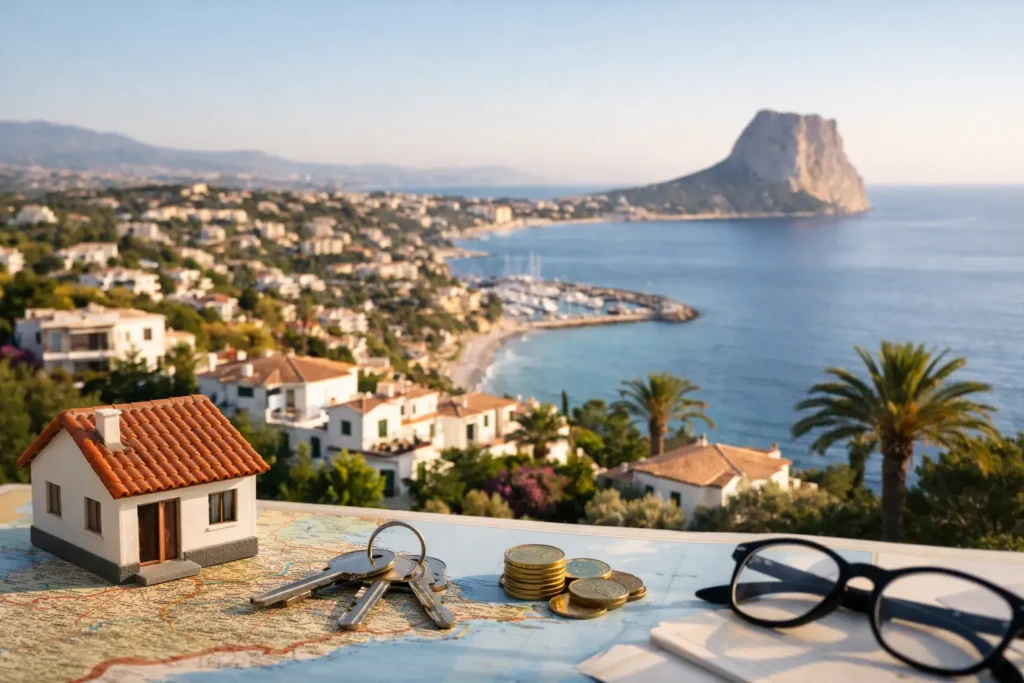
A buyer looking at the best areas to buy in Spain is rarely choosing between places alone. They are choosing between lifestyles, legal frameworks, rental markets, travel access, and very different levels of risk. A beachfront apartment in Marbella, a city property in Valencia, and a country home in inland Andalusia may all sit under the label of “Spain,” but they behave like completely different markets.
That is why area choice should come before property choice. If you get the location wrong, even a well-priced home can become an expensive compromise. If you get the area right, the rest of the purchase process becomes far easier to manage.
How to judge the best areas to buy in Spain
The right area depends first on your reason for buying. A retirement home, a holiday apartment, a year-round family base, and a pure investment purchase each call for different priorities. Buyers often begin with a broad idea such as “the Costa del Sol” or “near Barcelona,” but that is still too wide to make a sound decision.
You need to weigh practical factors alongside lifestyle appeal. Travel connections matter, especially if you will use the property frequently or rent it out to international visitors. Local demand matters too, because a beautiful location does not always translate into resale strength. Then there is the less glamorous side of buying in Spain – planning status, community costs, licensing, building condition, and the legal position of the property itself.
In other words, the best area is not simply the one with the nicest photos. It is the one that fits your objectives and stands up to proper due diligence.
10 best areas to buy in Spain
Marbella and the wider Costa del Sol
For many overseas buyers, Marbella remains the most established answer to the question of where to buy in Spain. It offers strong international demand, excellent amenities, golf, beaches, private healthcare, and reliable flight connections through Malaga Airport. It also covers several micro-markets, from prime Golden Mile property to family-focused suburbs and nearby towns that offer better value.
The trade-off is price. Prime Marbella is one of Spain’s most expensive residential markets, and buyers can easily overpay if they focus only on presentation and not on true market value. Short-term rental potential can be attractive, but local rules and community restrictions need checking carefully before purchase.
Estepona
Estepona has moved from being Marbella’s quieter neighbor to a serious market in its own right. It appeals to buyers who want Costa del Sol access and lifestyle without always paying Marbella pricing. The town center has charm, the beachfront has improved significantly, and new-build development has expanded buyer choice.
It suits second-home buyers and investors well, although pricing has risen in the strongest locations. Some developments marketed as “Estepona” are actually spread across a much wider area, so exact positioning matters more than the brochure suggests.
Sotogrande
Sotogrande is a more private, low-density option with a very different feel from the busier Costa del Sol resorts. Buyers are typically drawn by space, marina living, golf, polo, and a more controlled residential environment. It tends to appeal to purchasers who value security, discretion, and larger homes.
This is not a market for everyone. It is less walkable in many parts, and it often works best for buyers comfortable with driving. For the right buyer, though, it can offer a strong long-term lifestyle purchase with less of the high-turnover resort atmosphere found elsewhere.
Valencia
Valencia has become one of the standout cities for international buyers who want more than a vacation base. It combines city life, beaches, culture, and a lower entry point than Barcelona or Madrid in many segments. It also benefits from a strong year-round population, which supports resale demand beyond the seasonal market.
The appeal here is balance. Valencia can work for relocation, longer stays, and some investment strategies. The caution is that city buying requires close attention to building condition, community rules, and exact neighborhood quality, which can vary street by street.
Alicante and the Costa Blanca
The Costa Blanca has long been popular with foreign buyers, and for good reason. Alicante gives you a functioning city, good airport access, and a broad spread of coastal towns with different price points. Areas such as Playa de San Juan, Altea, Javea, Moraira, and parts of Orihuela Costa all attract different buyer profiles.
This is one of the most flexible markets in Spain. You can still find better value here than on the prime Costa del Sol, though the best locations are no longer cheap. Buyers need to be selective, because some developments are heavily seasonal or lack the infrastructure needed for comfortable year-round use.
Malaga city
Malaga has shifted from a gateway airport city to a genuine property destination. It now appeals to buyers who want urban living with cultural depth, strong transport links, and access to the wider coast. For investors, it offers a broader demand base than a purely resort-led market.
What makes Malaga attractive is resilience. It is not dependent on one season or one buyer type. That said, certain central areas come with premium pricing, tourism pressure, and tighter competition, so buyers need a clear strategy rather than a general sense that “Malaga is doing well.”
Barcelona
Barcelona remains one of Spain’s most internationally recognized cities, and it continues to attract buyers seeking a major urban market with global appeal. It can work well for lifestyle buyers, professionals, and investors looking for depth and liquidity in the market.
But it is not a straightforward option. Pricing is high, regulations can be more restrictive, and neighborhood selection is critical. Buyers also need to understand that not every property type performs equally well in terms of rental or resale. Barcelona rewards careful buying, not rushed buying.
Madrid
Madrid is often overlooked by overseas buyers focused on the coast, yet it can be one of the strongest choices for buyers interested in year-round demand and a more domestic-driven market. As Spain’s capital, it offers economic stability, transport, education, and a broad residential base.
For pure lifestyle buyers seeking sun and sea, Madrid may not fit. For investors or relocating families, however, it deserves serious attention. The market can be competitive, and city-specific due diligence remains essential, particularly around building condition and ongoing ownership costs.
Mallorca
Mallorca offers one of the most established second-home markets in Spain. It combines natural beauty, high-end appeal, excellent international access, and strong demand from overseas buyers. Areas such as Palma, the southwest, and selected inland villages each serve different budgets and lifestyles.
The challenge is supply and pricing. Mallorca is highly desirable, and buyers often face limited stock in the most sought-after zones. Rural and village properties may also require especially careful checks on legality, boundaries, access, and any unregistered works.
Inland Andalusia
Not every buyer wants the coast. Inland Andalusia can offer character homes, larger plots, and a more traditional Spanish lifestyle at a lower price point than the main coastal markets. For some buyers, especially those prioritizing space and authenticity, it can be the right answer.
It also carries more complexity. Country properties can present planning issues, irregular registrations, water supply questions, and maintenance demands that are less common in modern coastal apartments. This is a market where independent advice is particularly valuable because the charm can easily distract from the legal and structural reality.
What buyers often miss when choosing an area
Many overseas buyers focus heavily on purchase price and not enough on total ownership. Community fees, local taxes, maintenance, insurance, and travel costs can materially change the picture. A property that looks affordable in one region may prove more expensive to own than a higher-priced alternative elsewhere.
Another common mistake is confusing holiday appeal with year-round livability. Some locations are wonderful for two weeks in summer but far less practical in winter. Shops close, transport reduces, and the area becomes far quieter than buyers expected. That may suit you perfectly, or it may not.
Then there is the issue of legal and technical risk. Spain has excellent property opportunities, but area choice should always be paired with proper checks on title, planning, community obligations, and physical condition. Search and Survey Spain works on the buyer’s side precisely because choosing the right area is only the first layer of a safe purchase.
Which of the best areas to buy in Spain is right for you?
If your priority is prestige, international services, and strong second-home appeal, Marbella, Estepona, Sotogrande, and Mallorca are natural starting points. If you want a city with year-round life and broader practicality, Valencia, Malaga, Madrid, and Barcelona each deserve attention for different reasons. If value and character matter more than immediate liquidity, parts of the Costa Blanca and inland Andalusia may offer better fit.
The most sensible approach is to narrow your search around how you plan to use the property, how often you will travel, whether rental income matters, and how much complexity you are willing to take on. Spain offers excellent options, but the best purchase usually comes from matching your goals to the right micro-market rather than chasing a headline destination.
A good area should do more than look appealing on arrival. It should still make sense after the legal checks, the survey, the annual costs, and the realities of owning property from abroad.
Need Help? 🙂

Hi, this is Ian Mason.
If you have any questions, please feel free to contact us by clicking HERE and I’ll get back to you shortly. Thank you!
Get in touch ?