

You’ve found the villa, the views are perfect, and the agent is friendly and helpful. It’s easy to feel that someone is looking out for you.
But here’s something many buyers only learn after it’s too late. In most Spanish property deals, nobody in the room is working for you.
This guide explains why independent representation when buying property in Spain is one of the smartest decisions you can make, and what can go wrong without it.
1. The Selling Agent Works for the Seller, Not You
Most estate agents in Spain are appointed and paid by the seller. Their job is simple: sell the property at the best price and on the best terms for the vendor.
That doesn’t make them bad people. It just means their advice isn’t neutral. When an agent tells you “this is a great price” or “you’d better move fast, there’s another offer,” remember who pays their commission.
A buyer’s agent in Spain is different. They are hired by you, paid by you, and accountable only to you. At Search and Survey Spain we sit firmly on the buyer’s side of the table.
2. Avoid Hidden Conflicts of Interest
It’s very common for selling agents to say, “Don’t worry, we have a lawyer we work with.” The same goes for mortgage brokers and surveyors.
It sounds convenient. The problem is that if those professionals rely on the agent for steady referrals, they have a reason to keep the deal moving rather than raise awkward questions.
An independent lawyer for your Spanish property purchase, plus an independent surveyor, removes that pressure. Their only goal is protecting your money and your legal position.
At Search and Survey Spain our comprehensive service includes both legal advice and technical property inspections.
3. Protect Yourself from Legal Pitfalls
Spanish property law has some surprises that catch foreign buyers out every year. Before you sign anything, these checks need to be done properly:
- Planning legality. Was the pool, extension or extra bedroom built with a licence? Illegal builds can lead to fines or even demolition orders.
- Debts attached to the property. In Spain, some debts stay with the property, not the owner. Unpaid IBI (council tax) and community fees can become your problem after completion.
- Licences. Does the home have a Licence of First Occupation (Licencia de Primera Ocupación) or Habitation Certificate (Cédula de Habitabilidad)? Without one, connecting utilities or getting a mortgage can be difficult.
- Registry vs reality. The Land Registry (Registro de la Propiedad), the Catastro and what’s physically on the plot often don’t match. Square metres, boundaries and outbuildings all need checking.
You can see how property records work on the official Spanish Land Registry website. In practice, an independent buyer’s agent will handle and explain these checks for you.
4. Make Sure the Contract Terms Are Fair
The two key documents in a Spanish purchase are the reservation agreement and the arras contract (contrato de arras). They’re usually drafted by the seller’s side, so it’s no surprise they often favour the seller.
Under a standard arras contract, if you pull out, you normally lose your deposit, usually around 10% of the price. If the seller pulls out, they must pay you back double.
Independent representation makes sure that:
- Your deposit is protected and held correctly
- Mortgage clauses are fair, so you aren’t penalised if the bank says no
- Deadlines are realistic for overseas buyers arranging finance and paperwork
- Exit terms are clear if the legal checks reveal a problem
5. Get Skilled Negotiation on Price and Conditions
Negotiating in another country, in another language, with a property you’ve fallen in love with is hard. Emotions take over.
A good property buying agent in Spain negotiates calmly and strategically, using local market data. Price isn’t the only thing that can be negotiated. They can often secure:
- A lower purchase price
- Repairs before completion, or a price reduction to cover them
- Furniture and appliances included
- Completion dates that suit your plans
Savings from negotiation alone often cover the cost of the service.
6. Access Off-Market and Better-Vetted Properties
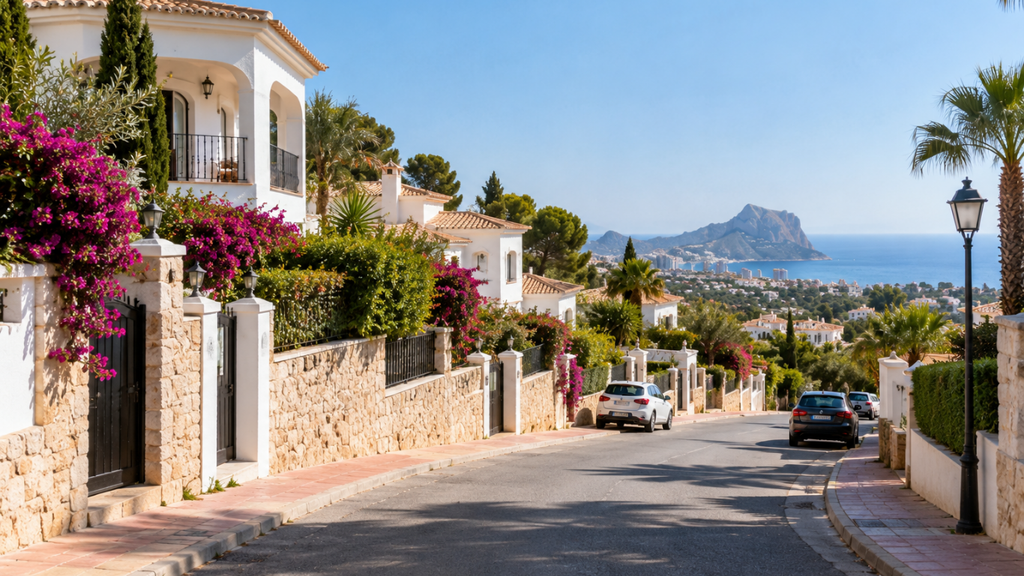
Not every good property appears on Idealista or Rightmove. Some of the best homes are sold quietly, through local contacts, before they ever reach the portals.
The agencies do not need to advertise their best properties on these portals as they can sell them anyway.
Independent buyer’s agents have access to off-market property in Spain and can filter out homes with obvious legal or structural problems before you waste a flight to view them.
7. One Team Coordinating the Whole Purchase
Buying from abroad means juggling a lot of moving parts. Independent representation brings them together:
- Property surveys and building inspections
- Mortgage coordination with Spanish banks
- Legal due diligence
- NIE number and bank account setup
- Property Inspection/survey
- Notary appointment and signing
- Utility and community fee transfers
For buyers living in the USA, UK, Ireland, Scandinavia or elsewhere, having one point of contact makes the process far less stressful.
8. Reduce the Risk of Costly Mistakes
Some of the most common mistakes when buying property in Spain include:
- Skipping a building survey because the house “looks fine”
- Paying a deposit before any legal checks
- Using the seller’s lawyer
- Underestimating purchase costs (taxes and fees are often 10–13% on top of the price)
- Buying a property with an illegal extension or no habitation licence
Any one of these can cost tens of thousands of euros. Compared with that, independent advice is a small investment.
9. Honest Advice, Including When Not to Buy
The most valuable thing an adviser can say is:
“Walk away from this one.”
A selling agent rarely says that, because they get paid only when you buy. An independent adviser gets paid to protect you. If the survey shows serious damp, the paperwork doesn’t add up, or the price is simply too high, they’ll tell you plainly.
10. Peace of Mind from Offer to Ownership

Buying a home in Spain should be exciting, not nerve-wracking. Independent representation turns a confusing foreign process into clear, organised steps, with someone on your side at every stage.
You’ll know what you’re signing, what you’re paying and exactly what you’re buying.
Frequently Asked Questions
Do I need a buyer’s agent to buy property in Spain?
It isn’t legally required, but it’s strongly recommended for foreign buyers. The selling agent represents the seller, so without your own agent and lawyer, nobody is formally protecting your interests.
Should I use the lawyer recommended by the estate agent?
It’s better to choose your own independent lawyer. A lawyer who gets regular referrals from the agent may face a conflict of interest. At Search and Survey Spain our comprehensive service includes both legal advice and technical property inspections.
Do I need a property survey in Spain?
Yes. Spain has no mandatory survey and banks only do a basic valuation, so a building survey in Spain is the only way to find hidden structural problems, damp or illegal works.
What is an arras contract in Spain?
It’s a private deposit contract signed before completion. The buyer usually pays about 10%. If the buyer withdraws, they lose the deposit. If the seller withdraws, they repay double.
How much does buying property in Spain cost on top of the price?
Taxes, notary, registry and legal fees typically add 10–13% to the purchase price, depending on the region and whether the property is new or resale.
Buying in Spain? Get Someone on Your Side
Before you sign a reservation form or pay a deposit, speak to an independent adviser.
Contact Search and Survey Spain for honest, buyer-only advice, from property search and surveys to legal checks and closing/completion.
Need Help? 🙂

Hi, this is Ian Mason.
If you have any questions, please feel free to contact us by clicking HERE and I’ll get back to you shortly. Thank you!
Get in touch ?